

October 2023

Planting installations with root ball of entomophilous herbaceous species

2023-10-16T11:20:25+02:00

Planting installations with root ball of entomophilous herbaceous species (i.e., pollinated by insects) typical of species-rich hay meadows. We are near the former landfill of Ca' Perale, Mirano (VE). #LIFEprogramme #pollinators #bees #impollinatori #API United Nations Biodiversity LIFE Greenchange LIFE 4 Pollinators Ca' Foscari Sostenibile Life BEEadapt
Planting installations with root ball of entomophilous herbaceous species2023-10-16T11:20:25+02:00

12th European Entomology Congress ECE 2023 in Crete

2023-10-16T11:12:37+02:00

From 16 to 21 October, PollinAction researchers Edy Fantinato and Sebastiano Favarin will participate in the 12th European Entomology Congress ECE 2023 in Crete! This is a great opportunity to meet researchers and projects working on habitat restoration and pollinator conservation and compare ideas and experiences. Edy Fantinato will present a research on interactions between Apis mellifera and other pollinators in hay meadows while Sebastiano Favarin will bring a poster on the effects of the management of hay meadows on the pollinator community that inhabit them. LIFE Programme #LIFEprogramme #LIFEproject #EUpollinators #Natura2000 #pollinators #bees United Nations Biodiversity LIFE Greenchange LIFE [...]

12th European Entomology Congress ECE 2023 in Crete2023-10-16T11:12:37+02:00

Wild privet

2023-10-16T11:04:18+02:00

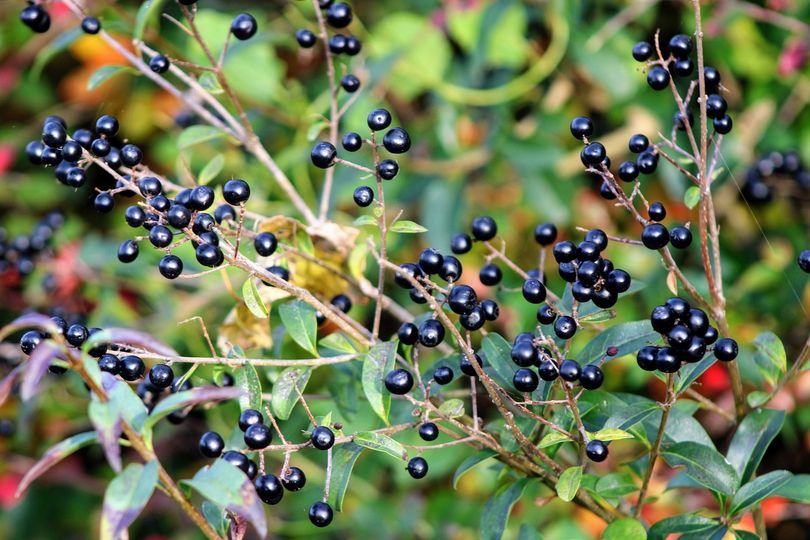
Wild privet Perfumes and poisons Wild privet (Ligustrum vulgare, Oleaceae family) is a very dense shrub, growing up to 5 meters tall. The leaves are dark green and turn violet in the autumn. The leaves remain on the plant during the winter along with the fruits, small pea-sized black berries that are highly toxic. In May, the wild privet is covered in a very rich bloom with white panicles that emit a sweet, intense fragrance, attracting bees and other insects in search of nectar. Wild privet can be found in clumps or isolated in sparse forests, at the edges of [...]

Wild privet2023-10-16T11:04:18+02:00

Hemp agrimony

2023-10-16T11:00:56+02:00

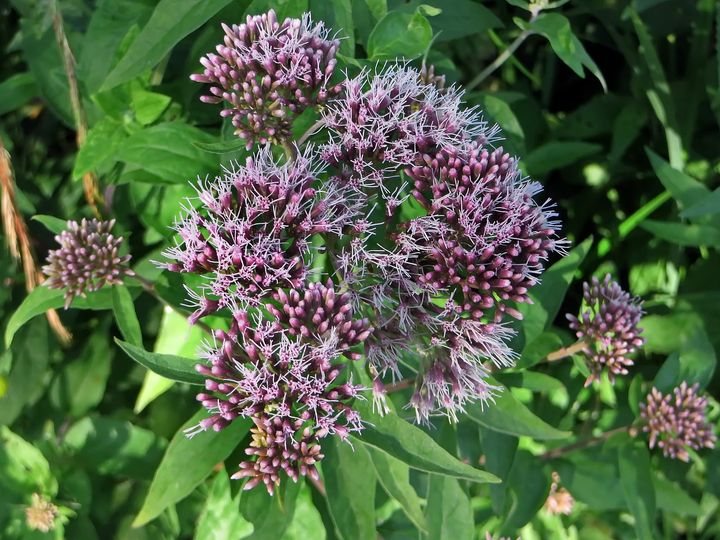
Hemp agrimony Hemp agrimony (scientific name Eupatorium cannabinum) is a large and beautiful perennial plant of the Asteraceae family, typically growing over 90 cm tall. Its name derives from the resemblance of its leaves to those of common hemp, although they are not related. The stems are reddish, and the tiny flowers are antique pink , lightly fragrant, clustered in heads to form large inflorescences. Pollination occurs through bees and butterflies These plants add splashes of color along rivers, in marshy areas, and in the forests of wetlands. In fact, their presence in an understory is an indicator of soil [...]

Hemp agrimony2023-10-16T11:00:56+02:00

Oedemera nobilis

2023-10-03T09:24:06+02:00

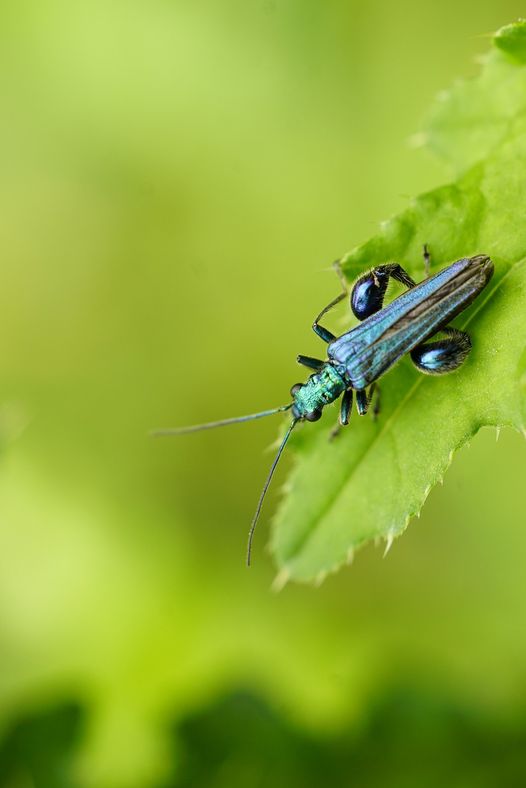
Oedemera nobilis The insect with swollen thighs... This elongated-bodied beetle has a beautiful metallic green color, often with golden or coppery highlights. It measures 7-10 mm in length, and the male is characterized by greatly enlarged hind leg femurs. In spring and summer, it feeds on the pollen and nectar of various flower species , particularly favoring the common daisy and umbellifers. Adults can be observed in large numbers, but the larvae are more difficult to find as they hide in the dead wood of various plants. Did you know? The name Oedemera derives from Greek, meaning swollen thigh; nobilis, [...]

Oedemera nobilis2023-10-03T09:24:06+02:00

September 2023

Cornelian Cherry

2023-10-03T09:19:00+02:00

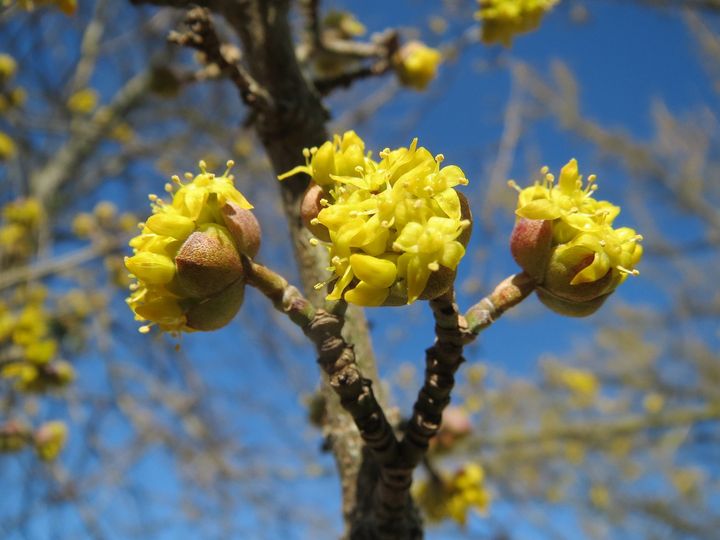
Cornelian Cherry An ancient plant In the spring, the Cornelian cherry (Cornus mas) blooms in our forests with small yellow flowers clustered here and there in inflorescences on still bare branches. The Cornelian cherry can be found in clearings and at the edges of deciduous forests, both in the plains and in the mid-mountain areas. Its fruits ripen gradually in late summer, and their decorative effect is remarkable: in fact, you can find fruits of all shades on the same plant, from green to bright red. The Cornelian cherry plays an important role for pollinators : its small yellow flowers [...]

Cornelian Cherry2023-10-03T09:19:00+02:00

Comfrey

2023-10-03T09:15:42+02:00

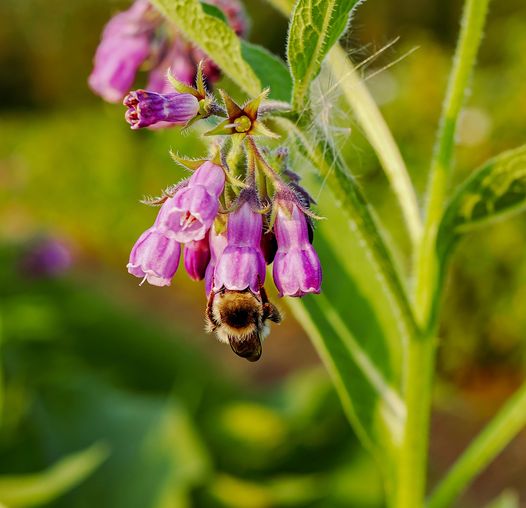
Comfrey To mend broken bones... Comfrey (scientific name Symphytum officinale) is an herbaceous plant of the Boraginaceae family. Its stems, reaching heights of up to 120 cm, rise at the edges of ditches, streams, and very damp areas. The pendulous and bell-shaped flowers are gathered in panicles and can be white-purple, pink, or violet, but always of the same color in each plant. This plant has a long corolla, and only insects with a long mouth apparatus can reach the nectar. Sometimes smaller Hymenoptera are forced to pierce the flower wall, and when this happens, the insect does not come [...]

Comfrey2023-10-03T09:15:42+02:00

The initial results at the San Michele biodynamic farm. 🦋

2024-08-02T17:35:52+02:00

I primi risultati, con LIFE PollinAction, presso l'azienda agricola biodinamica San Michele #LIFEprogramme #LIFEproject #EUpollinators #impollinatori #api #farfalle LIFE Programme LIFE 4 Pollinators Legambiente Onlus LIFE Greenchange Life BEEadapt LifeGate Ca' Foscari Sostenibile United Nations Biodiversity LovePlantLife Seeds ConservePlants LIFE 4 Pollinators

The initial results at the San Michele biodynamic farm. 🦋2024-08-02T17:35:52+02:00

Common drone fly

2023-10-03T09:35:00+02:00

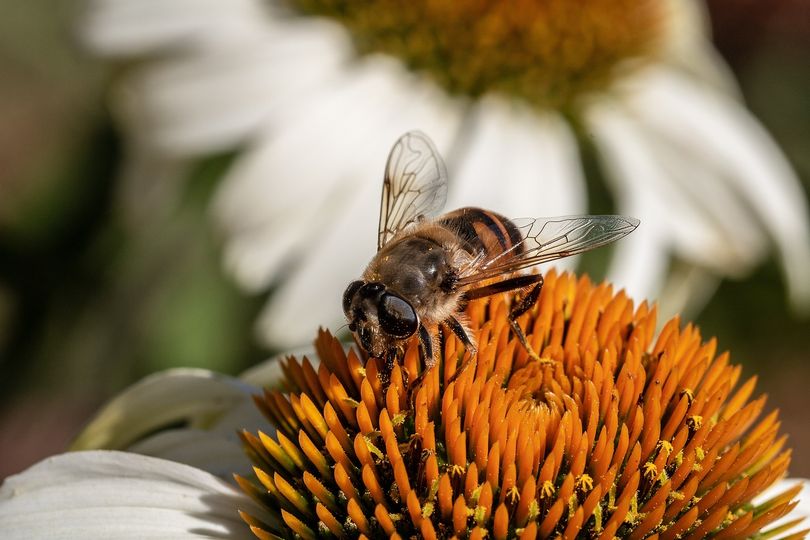
Common drone fly The "bee" fly Although it resembles a bee, the Common drone fly (Eristalis tenax) is actually a Dipteran (a relative of flies) and belongs to the Syrphid family. Its appearance is similar to that of a common bee but can be distinguished by its plumper body, the lack of a constriction between the abdomen and thorax, and having only 2 wings instead of 4. The Common drone fly is probably the most common species of Syrphid in Europe and can be observed from April to October on flowers while feeding on nectar Did you know? The larvae [...]

Common drone fly2023-10-03T09:35:00+02:00

Caglio zolfino 🌼🌾🌿

2024-08-02T17:36:10+02:00

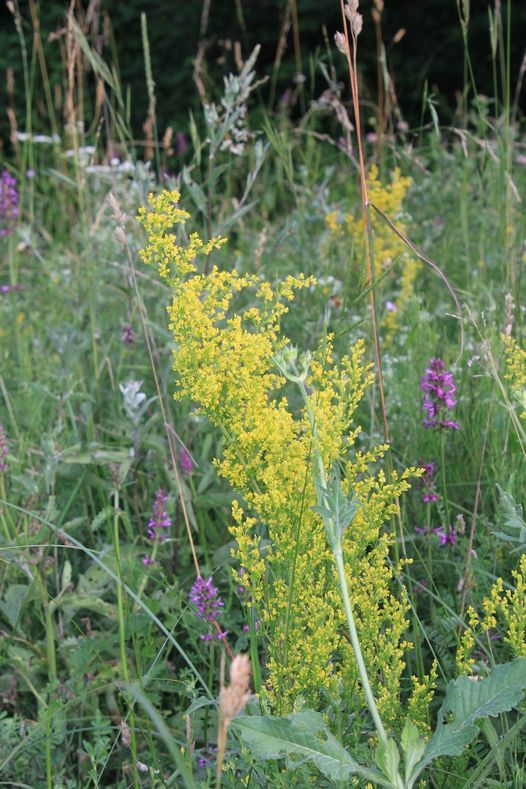
Lady's bedstraw Lady's bedstraw (scientific name Galium verum) is a very graceful plant, which sways in the wind with its golden yellow flowering stems. 30-90 cm tall, belongs to the Rubiaceae family. The leaves are arranged in a star shape, both on the stems and on the side branches. The yellow flowers are arranged in dense and long panicles ; their pollination takes place mainly through flies and beetles . Throughout Europe yellow flowers were used in the past to curdle milk to produce cheese (hence the name "Galium", from the Greek gála = milk). Lady's bedstraw grows in arid [...]

Caglio zolfino 🌼🌾🌿2024-08-02T17:36:10+02:00
Go to Top